When we think of the bird kingdom, images of ultimate devotion usually come to mind. We think of lovebirds inseparable from birth, or pairs of swans gliding gracefully, locked in a lifelong romance. But from an evolutionary standpoint, why chickens are polygamous remains a fascinating question. Have you ever wondered why our backyard poultry don’t follow the same “one-and-only” rule as their avian cousins?
As it turns out, behind this seemingly chaotic love life lies a brilliant evolutionary strategy—and a historic trade-off with humans.
1. Reproductive Instincts: Quantity Over Quality
In the wild, the majority of bird species choose monogamy for one core survival reason: raising babies is hard work!
Chicks of pigeons, eagles, or sparrows are born incredibly fragile—featherless, blind, and completely helpless. A single mother cannot incubate the eggs, forage for food, and protect the nest from predators all at once. Dad has to step up, or the chicks simply won’t make it.
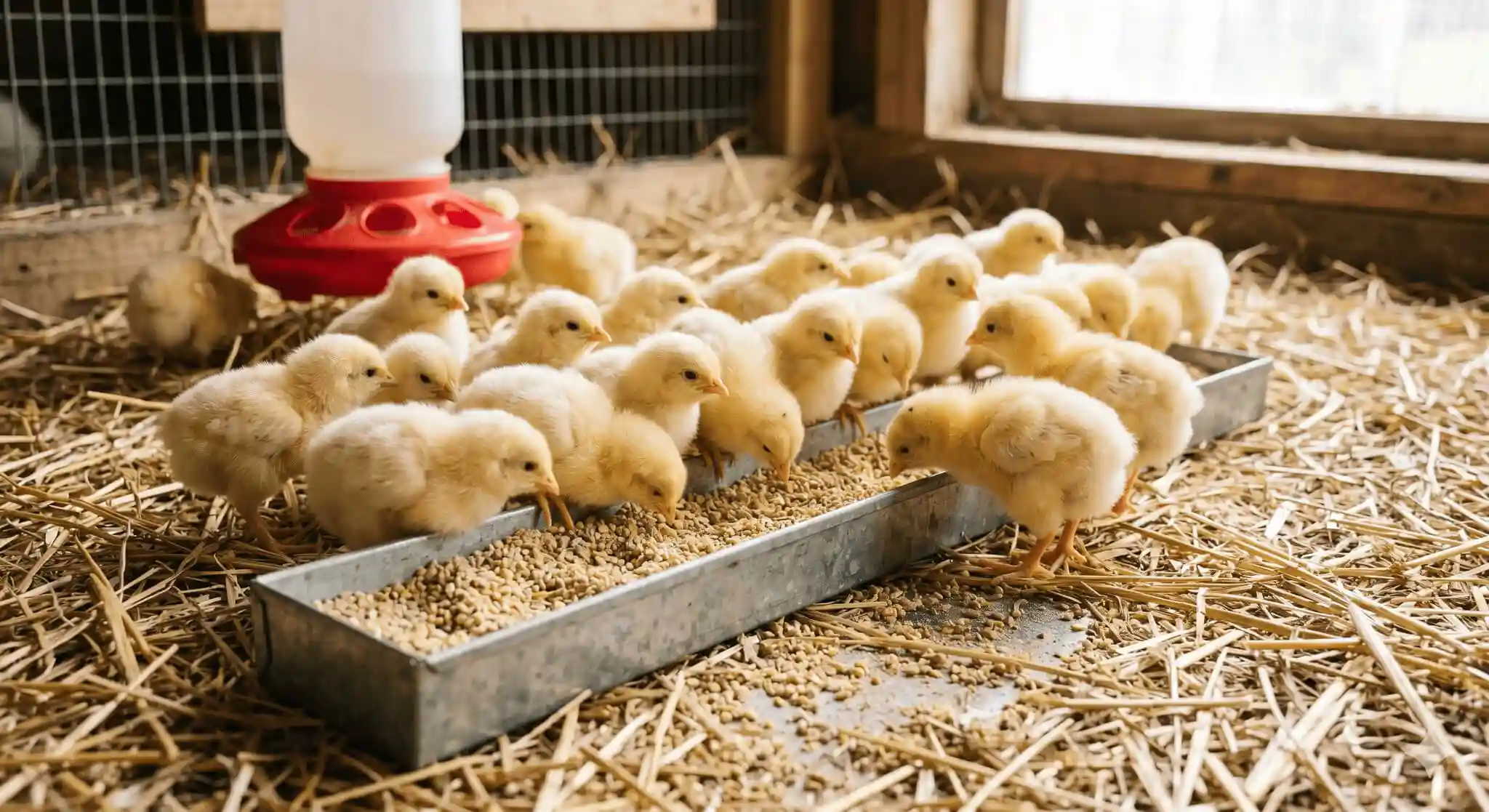
On the flip side, chickens and ducks are blessed with a different biological gift: their young are precocial.
-
Independent from Day One: Just hours after hatching, these little fluffballs dry off, open their bright eyes, and start running around. They can forage and peck for food entirely on their own, just by following their mother.
-
Dad’s Role Becomes Redundant: Since the hen is perfectly capable of leading and protecting her brood, the rooster’s presence in “child-rearing” isn’t necessary.
Consequently, the male’s instinct shifts to a different evolutionary mission: mate with as many females as possible to maximize his genetic legacy. Instead of playing the doting father, his job is to show dominance, defend territory, and pass on his genes to the entire flock.
2. Wild Survival Strategies: The Harem vs. The Seasonal Flirt
Before humans brought them into the coop, the ancestors of chickens and ducks had very specific lifestyles adapted to their environments.
The Chicken Family: A True “Harem”
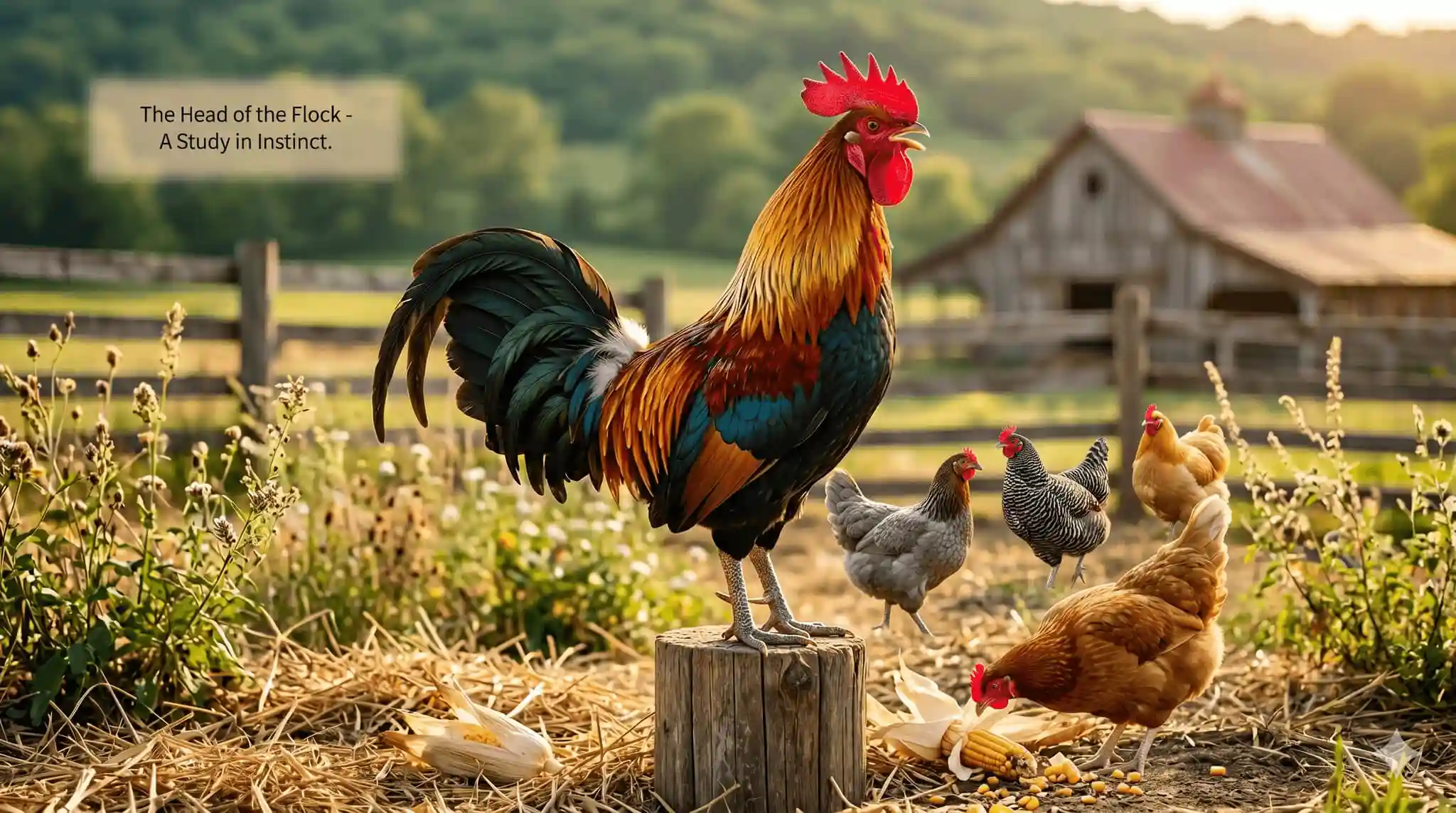
Red junglefowl (the ancestors of domestic chickens) lived in tight-knit flocks. A single, dominant rooster would rule a territory and hold exclusive rights to a “harem” of hens.
Hens actively chose males that were big, strong, possessed sharp spurs, crowed loudly, and flaunted vibrant plumage. This ensured their offspring got the best genes. For the rooster, loyalty was never on the table; his duty was widespread reproduction and flock defense.
The Duck Family: “Practical” Seasonal Romance
In the wild, mallards (wild ducks) actually do form monogamous pairs—but only on a seasonal lease. Once the breeding season ends, they politely wave goodbye and part ways.
Furthermore, drakes (male ducks) are notorious for their hyperactive mating drives. When the season hits, competition is fierce, and instinct drives them to pursue any available female rather than settling down for a lifetime of domestic bliss.
3. The Human Hand and the Evolutionary Trade-Off
The biggest reason modern chickens and ducks have lost the complex art of courtship is thousands of years of human domestication.
Our ancestors noticed the amazing traits of these birds: they laid plenty of eggs, grew meat quickly, ate almost anything, and were easy to manage. So, humans enclosed them, actively breeding the most productive individuals.
Caption: Modern farming has simplified the social structure of poultry. Alt text: A flock of domestic chickens feeding together on a farm.
In today’s farms, humans set the ratio—usually one rooster to about ten hens. Chickens no longer need to search for a mate, build nests high in trees, or flee from predators. Food and shelter are guaranteed. When the harsh pressures of wild survival vanished, complex social behaviors like “mating for life” simply faded away.
A Final Thought: Gratitude for the Evolution
Someone once jokingly asked: “Is it because their main job is to feed humans that they live like this?”
It sounds a bit harsh, but from an evolutionary standpoint, this has been an incredibly successful trade-off.
By tying their fate to humanity, chickens are now the most populous birds on the planet, with over 33 billion alive at any given moment. If they had clung to their wild, monogamous, low-yielding ways, they might have faced extinction due to habitat loss long ago.
The shift in their behavior isn’t a tragic story; it’s a testament to powerful adaptation. Acknowledging their role and appreciating the vital nourishment they bring to human civilization is perhaps the most respectful and grateful way we can look at nature.