When it comes to Southern Japan, Fukuoka Food is undoubtedly the ultimate culinary heaven that every traveler must experience. If I had to use just two words to describe the lifestyle of the locals in Fukuoka, they would be: Generous and Joyful. Free from the crushing pressure and eye-watering prices of Tokyo, Fukuoka holds a special place in the hearts of travelers and expats alike. It reels you in with a world-class street food scene, effortlessly cool fashion alleys, and an absolute obsession with sports.
After wrapping up our previous chapter on Fukuoka’s geography, population, and resilience, it’s time for the final leg of our journey. Let’s dive straight into the vibrant, soulful rhythm of this incredible city.
1. Fukuoka Cuisine: “The Kitchen of Southwest Japan”

Anyone heading to Fukuoka needs to pack a serious appetite. The food here is intensely flavorful, deeply comforting, and beautifully unpretentious.
-
Hakata Tonkotsu Ramen: The ultimate soul food of the province. The broth is simmered from pork bones for hours until it turns into a rich, creamy, milky white masterpiece that clings perfectly to thin, straight noodles. When ordering, don’t forget to specify your noodle firmness—go for Katamen (firm) or Barikata (extra firm) to eat like a local!
-
Motsunabe & Mizutaki: Two legendary hot pots. Motsunabe features tender beef offal cooked in a rich soy or miso broth packed with garlic and chives (hello, collagen boost!). On the lighter side, Mizutaki offers a clean, naturally sweet chicken broth that you dip in a refreshing, tangy ponzu sauce.
-
The Yatai Culture Along Nakasu River: This is where the magic happens at night. As dusk falls, tiny wooden food stalls light up the riverbanks. Squeezing into these cozy spaces, enjoying a few skewers of Yakitori, sipping on a late-night ramen, and chatting with complete strangers is an unforgettable experience. Just remember the unwritten rules: order both a drink and food, and clear your seat promptly once you’re done so others can join the fun!
2. Nakasu District: The Neon Glow of a Sleepless City
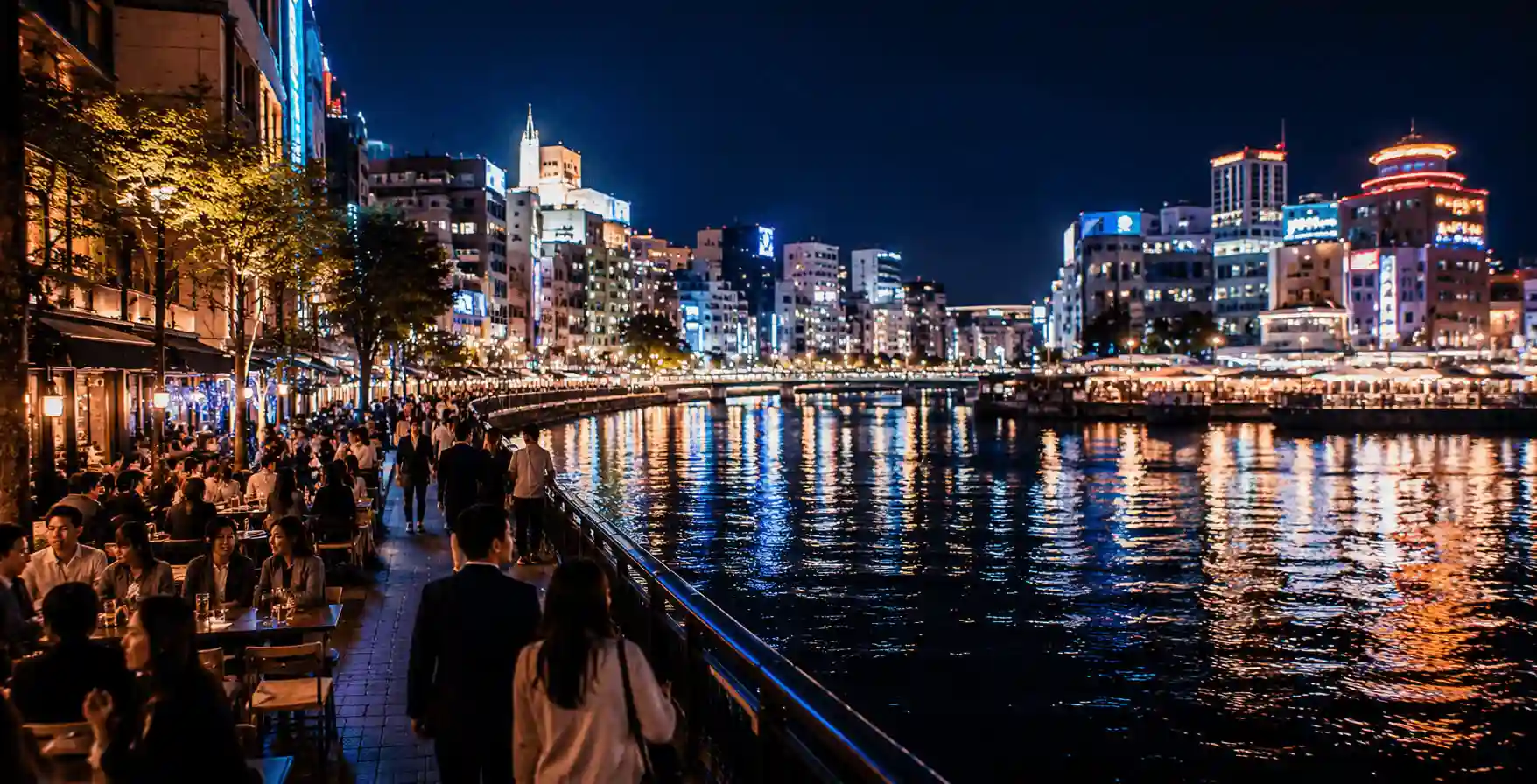
The Nakasu entertainment district ranks as one of Japan’s top three nightlife hubs. It’s a fascinating place of contrasts. Right by the river, you have the wholesome, tourist-friendly vibe of the Yatai stalls. But if you venture deeper into the inner alleys, you’ll find yourself surrounded by over 3,000 adult entertainment venues, bars, and hostess clubs (like Kyabakura and Soaplands).
While it’s widely considered much safer than Tokyo’s Kabukicho, international travelers should keep a couple of things in mind. Many hostess bars politely decline guests who don’t speak Japanese to avoid misunderstandings over rules and pricing. To stay safe, simply ignore the illegal street touts (Kyaku-biki) trying to lure you into clubs with hidden fees. If you want to explore safely, always look for the official, free information booths (Muryo Annaisho).
3. Fukuoka Fashion: Carefree, Practical, and Effortlessly Cool
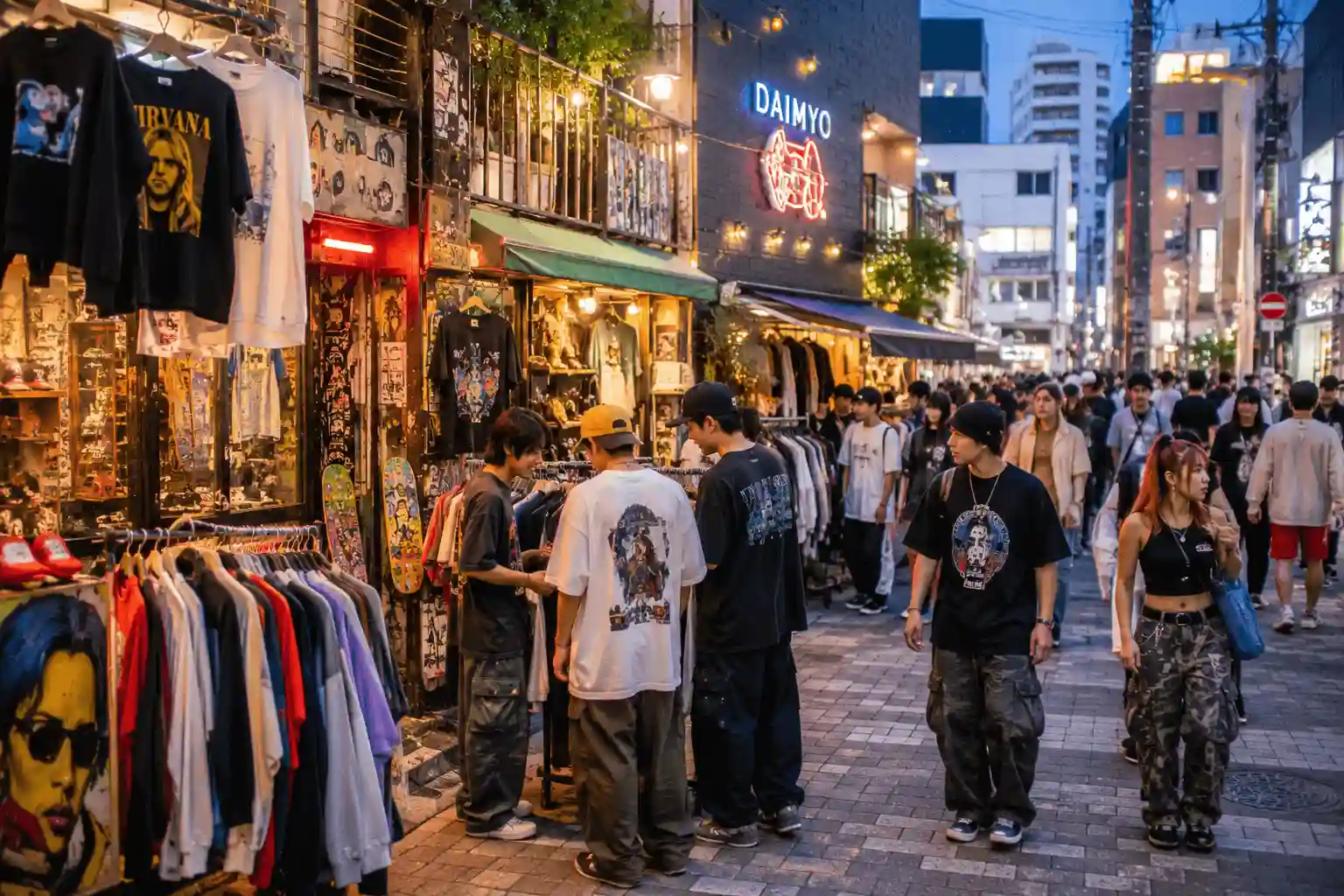
Often called the fashion capital of Kyushu, Fukuoka’s style is eye-catching yet deeply rooted in practicality.
-
Tenjin District: The epicenter of modern trends. Home to bustling shopping malls like PARCO and Solaria Plaza, the style here leans elegant and sleek. You’ll also spot a heavy Korean fashion (K-Style) influence, thanks to Fukuoka being just a stone’s throw away from Seoul.
-
Daimyo District: The undisputed kingdom of streetwear and vintage clothes (Furugi). Its narrow lanes are packed with hidden thrift shops, vintage denim hauls, and flagship stores for iconic brands like Supreme and Stussy.
-
Hakata-ori Textiles: Locals love adding a touch of heritage to their modern outfits by accessorizing with bags, wallets, or cardholders made from this crisp, traditional local woven fabric.
4. The Icons and “Faith” of the Locals

Fukuoka residents are fiercely proud of their hometown, and their passions are next-level:
-
The Symbols: The sleek, mirrored facade of Fukuoka Tower; Eco-ton, the quirky pig mascot rocking a ramen bowl on its head; and the sacred plum blossoms at Dazaifu Tenmangu Shrine.
-
The Religion of Baseball – SoftBank Hawks: While soccer (Avispa Fukuoka) gets plenty of love, baseball and the Fukuoka SoftBank Hawks are the undisputed kings. This love runs so deep that whenever the Hawks win a major championship, almost every supermarket, department store, and mall in the province throws a massive “Celebration Sale” (Kansha Sale), offering huge discounts across the city.
An Epilogue to Our Journey
That is the true essence of Fukuoka. It’s a city that refuses to rush you. It’s a place where you can work at a high-tech tech hub by day, stroll through the sunset alleys of Daimyo for some vintage shopping, and wrap up your night with a steaming bowl of Tonkotsu ramen at a breezy Yatai stall. It is a land worth living in, worth visiting, and truly worth dedicating your youth to in the Land of the Rising Sun.
To plan your own custom itinerary, don’t forget to check out the [Official Fukuoka City Travel Guide].