
In my previous post, we dove into the fascinating “three waves of migration” that shaped the bloodline of modern Japanese people. But have you ever wondered how the Japan royal family managed to remain the only dynasty on the planet to rule for over 2,000 years without ever being overthrown?
Today, let’s peel back the curtain and uncover some truly mind-boggling facts about the Imperial Family of the Land of the Rising Sun!
1. The Birth of the First State: Between Myth and History
If you ask a local Japanese person about their nation’s founding day, they’ll instantly tell you it’s February 11th. According to ancient texts and folklore, on this exact day in 660 BCE, Emperor Jimmu—believed to be a direct descendant of the Sun Goddess Amaterasu—ascended the throne and founded Japan.
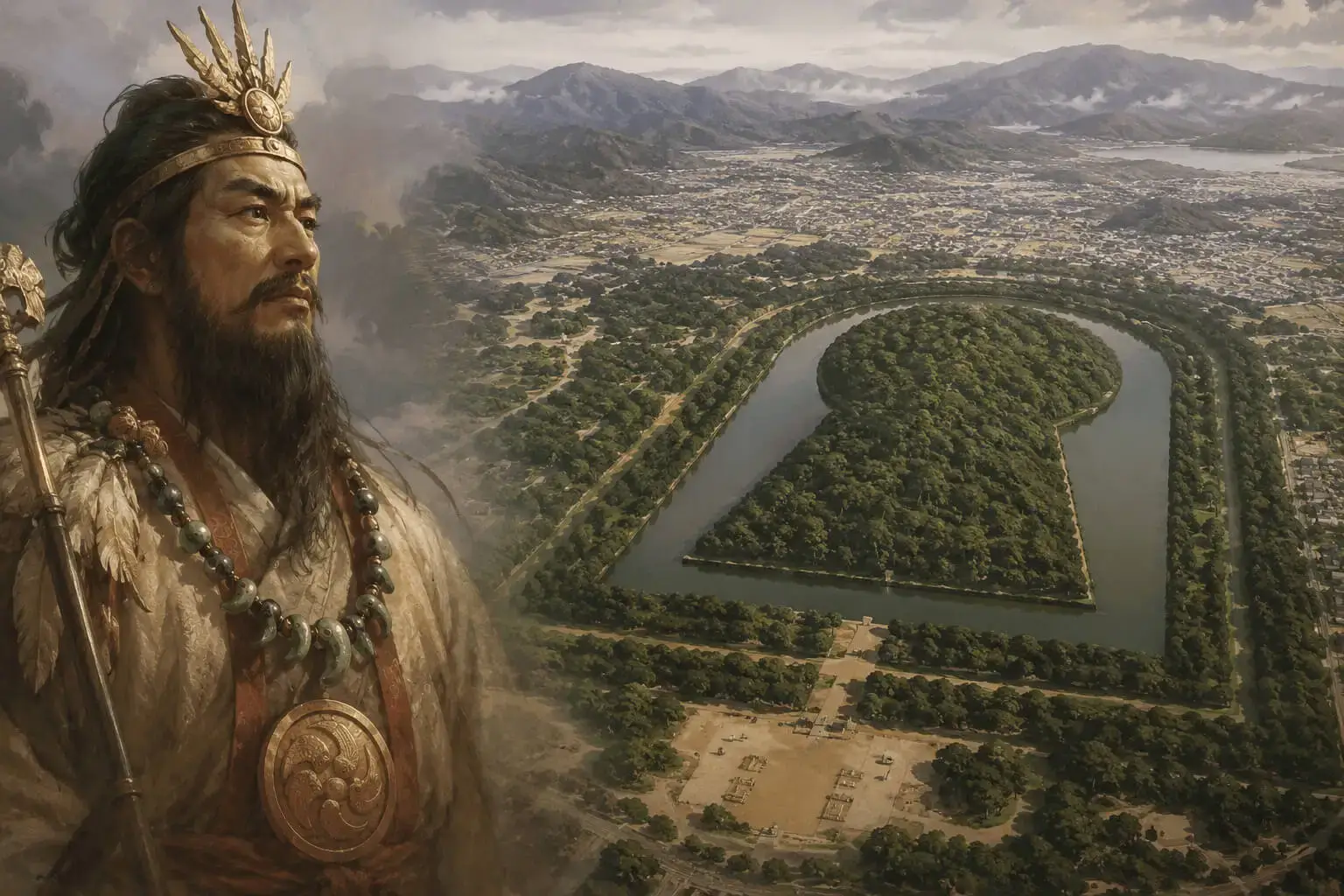
However, through the lens of modern archaeology, the story gets a bit more grounded. The early Japanese state actually began to take clear shape between the 3rd and 4th centuries CE (which lines up with the Kofun period—the third wave of migration we talked about last time). During this era, a centralized feudal power called the Yamato state arose in what is now the Kansai region, officially laying the groundwork for the Japan we know today.
2. “Bansei Ikkei” and the Sacred Shield of Authority
There is a famous Japanese phrase: “Bansei Ikkei” (万世一系), which translates to “an unbroken imperial line for ten thousand generations.” From the first legendary ruler to the reigning Emperor today, every single one belongs to the exact same family tree.
“In such a massive span of time, didn’t anyone try to rebel and steal the throne?” — I bet you’re asking yourself that right now.
The truth is, yes, civil wars broke out constantly in Japan. But the genius of Japanese history lies in a very clear distinction: they separated “spiritual authority” from “actual political power.”
-
Ancient Times: The Emperor held absolute power (peaking with the Taika Reform in 645).
-
Feudal Times: The Samurai warrior class rose to power, led by the Shoguns (military generals) who established the Shogunate. They controlled the army, the finances, and the laws.
Yet, no matter how powerful a Shogun became, they would only pressure the Emperor to grant them their military titles. They absolutely never dared to kill the Emperor to take the throne. Why?
Because in the minds of ancient Japanese people, the Emperor wasn’t just a mere mortal—he was an Arahitogami (a living god). Anyone who dared touch the throne would be branded a traitor to the divine, turning the entire nation against them. On top of that, keeping the Emperor as a “political shield” to legitimize the Shogun’s orders was just way better for business.
3. The Great Metamorphosis: The Meiji Restoration
After spending centuries in the shadow of the Shogunates, the Imperial Family made a spectacular comeback in 1868, thanks to a massive turning point known as the Meiji Restoration.

To give you a bit of a timeline context, this massive shift happened nearly a century after the reign of Emperor Quang Trung (Nguyen Hue) in Vietnam. While Vietnam was navigating its path under the Nguyen Dynasty, Japan, under the leadership of Emperor Meiji, swung its doors wide open to embrace Western culture.
Japan changed at a dizzying pace: men cut off their traditional topknots, wore Western suits, started eating beef, and railway tracks began webbed across the country. But along with wealth and power came expansionism. The Meiji era paved the way for the Japanese military to venture abroad (annexing Taiwan and Korea), and ultimately, his grandson—Emperor Showa—would push Japan into the brutal vortex of World War II.
4. The Fate of the Ryukyu Kingdom: The First Step of Expansion
Before becoming the beautiful tropical paradise of Okinawa that tourists love today, this archipelago was an independent nation known as the Ryukyu Kingdom. The fate of this small kingdom is the clearest example of the raw reality of power shifting from the feudal era to the Meiji era.
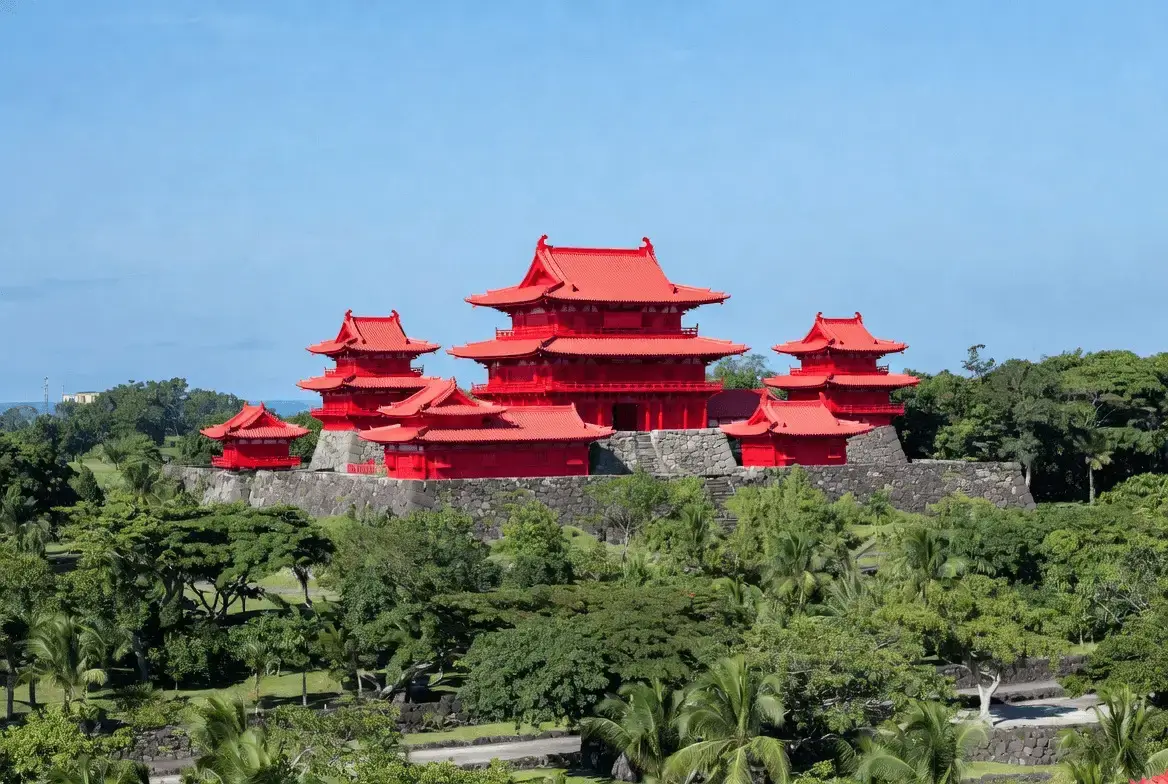
In reality, Ryukyu had been caught between a rock and a hard place since 1609 (during the feudal Shogunate era) when a southern Japanese samurai clan invaded and forced them into submission. Back then, Japan made Ryukyu pay taxes to them, but forced them to keep pretending to be a loyal vassal state of China. Why? So Japan could use them as a secret, middleman trading route with China.
But when the Meiji era arrived, the new government decided to make it official. Aiming to build a modern empire, the Meiji government sent troops down in 1879, abolished the Ryukyu court, forced the last king to abdicate, and completely wiped the kingdom off the map to create a new Japanese territory: Okinawa Prefecture.
(If you want to dive deeper into the turbulent history, unique culture, and the journey of how an independent kingdom transformed into modern-day Okinawa, stay tuned for my detailed post coming up right here!)
5. One-of-a-Kind Naming Rules
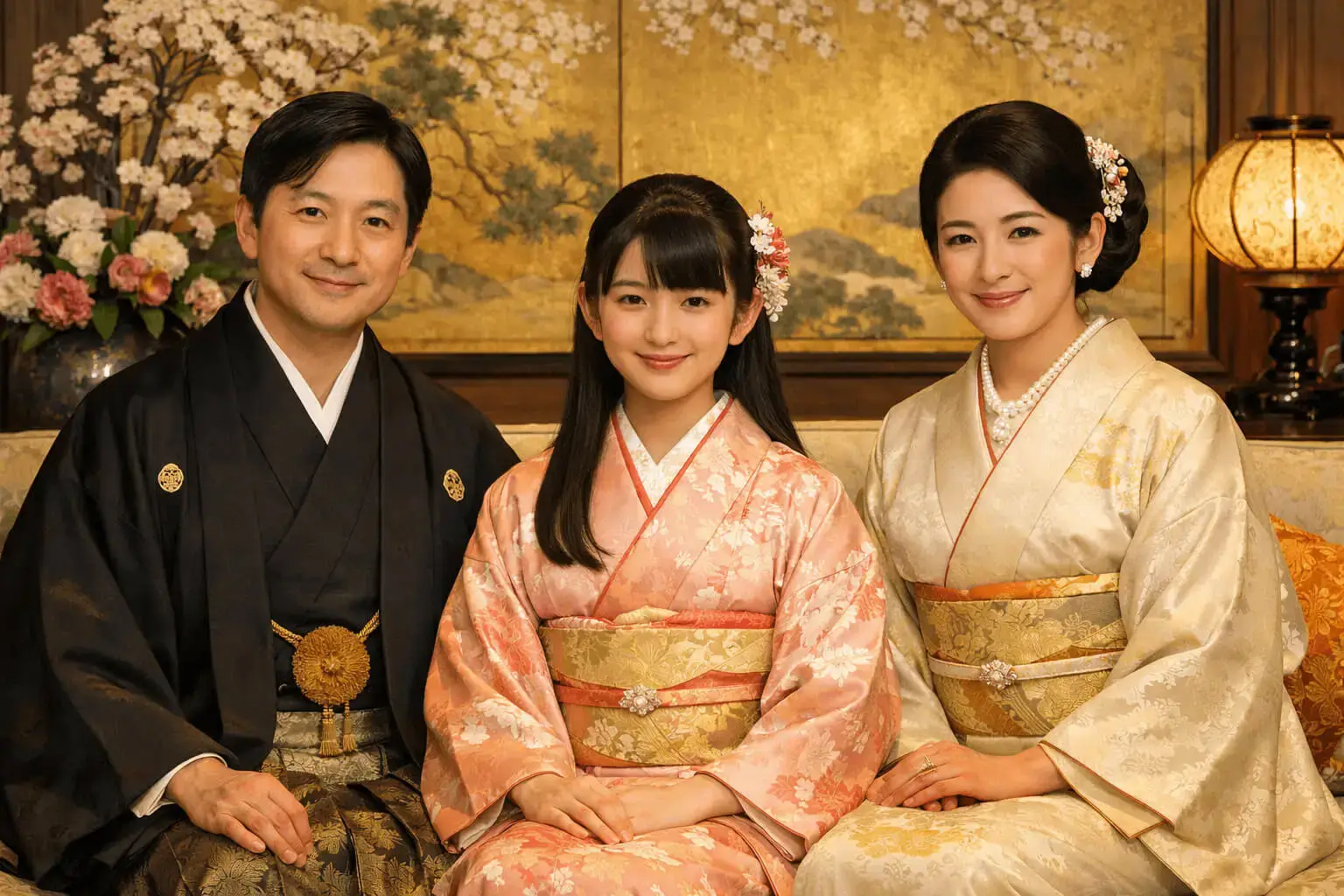
To wrap up our story, I want to share two incredibly quirky facts about the lives of the modern Japanese imperial family:
Why don’t they have a last name?
It’s true. The Emperor and the royal family have absolutely no surnames—only first names. In ancient Japanese culture, a “family name” was a gift bestowed by the Emperor upon his subjects to determine their rank and lineage. Since the Emperor sits at the absolute peak of society and is viewed as a divine entity, he doesn’t need a last name, and frankly, no one has the authority to give him one. If a princess marries a commoner, she must officially leave the royal family, and only then, for the first time in her life… does she take her husband’s last name.
The Secret Code of “Hito” and “Ko”
If you look closely at the names of modern royals, you will notice a strict, unspoken linguistic rule:
-
The Princes (Males): Their names almost always end with the suffix “-hito” (仁), which means “Benevolence.” For example, Emperor Meiji was Mutsuhito, Emperor Showa was Hirohito, and the current Emperor is Naruhito. This character carries the deep wish that the future ruler will govern the country with a kind, merciful heart.
-
The Princesses (Females): Their names always end with the suffix “-ko” (子), meaning “Child,” which represents the grace, elegance, and nobility of aristocratic women (like Princess Aiko or the former Princess Mako).
Final Thoughts
The Japanese people have a truly unique superpower: they can absorb new global trends at lightning speed (just like how they embraced Western culture during the Meiji era), yet they stubbornly guard their core traditional values with fierce devotion. An imperial bloodline unchanged for over 2,000 years acts like a heavy anchor, holding the unique identity of the Land of the Rising Sun steady through the shifting tides of time.
What surprised you the most about Japan’s royal family? Let me know your thoughts in the comments below!